


Entrepreneurship
Franchise vs Independent: What Works Better for New Businesses in Pennine Towns?
October 13, 2026
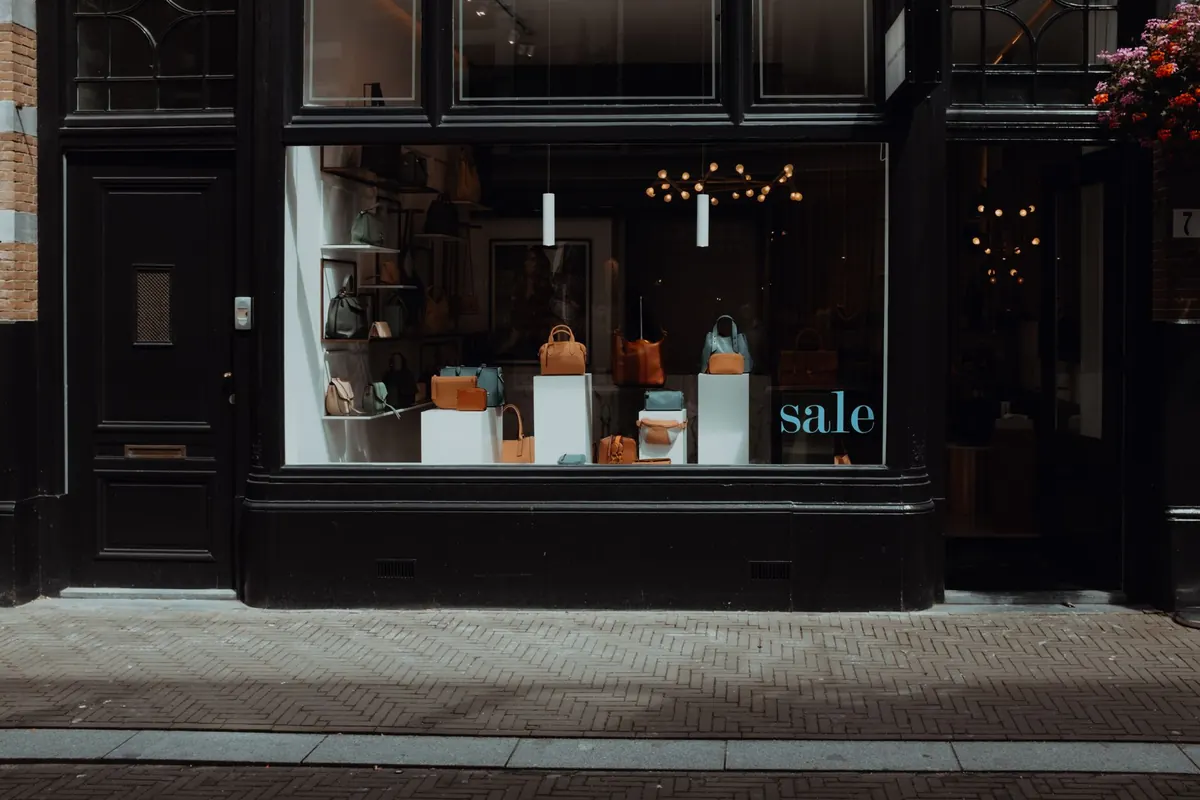
Walk down the main street of most Pennine towns — Hebden Bridge, Holmfirth, Marsden, Settle, Glossop — and you can usually spot the difference within a few doors. One unit carries a name you half-recognise from a retail park outside Leeds or Manchester. The next is a one-off: a bakery with chalkboards, an ironmonger that has outlasted three bypasses. Both are somebody's new business. They just arrived by different roads.
If you are weighing up a franchise against going it alone, the decision usually comes down to four things: what you pay upfront, how much help you get, whether the name means anything to people who actually live here, and what happens when you want out.
What each route really costs
An independent start-up in a Pennine town normally begins with a lease on a small unit — often an old building with real character and a few expensive surprises. You fund the fit-out, the signage, the stock, the insurance, the deposit, and your own living costs while trade builds. Nothing arrives ready-made. The compensation is control: if you want to open with second-hand shelving and a borrowed counter, that is your call, and the money you save can go into stock instead of shopfitting.
A franchise flips that arrangement. You pay an initial franchise fee for the right to use the name and the system, then fit the premises to a specification the franchisor sets. Some networks bundle in equipment, training and launch marketing; others charge for each separately. Ongoing, expect a management service fee — commonly calculated as a percentage of turnover — plus a contribution to national marketing, and sometimes minimum purchasing requirements.
Two cautions. A percentage of turnover is payable whether or not you make a profit, so a slow first winter hurts more than it would for an independent owner with no fixed fee. And older Pennine buildings do not always accept a standard fit-out: narrow doorways, listed frontages, cellars that flood and no rear access all cost money. Ask the franchisor's development team directly what happens when a building will not take the standard shopfront.
Whichever route you take, run the figures past an accountant who has worked with both kinds of business, and have a solicitor read the franchise agreement or the lease before you sign. These are contracts that can bind you for years.
Support, systems, and the freedom you trade away
A franchise sells you a head start. Training, an operations manual, approved suppliers, field support, marketing materials, HR templates, and a network of other operators who have already made the mistakes you are about to make. For someone opening their first business, that structure is worth a great deal.
Going independent, you build all of it yourself. That is slower and messier, but the support available locally is better than many newcomers expect: traders' associations in towns like Hebden Bridge and Holmfirth, the local chamber, your accountant, and neighbouring shopkeepers who will happily tell you which supplier actually turns up. What you will not get is a helpline.
The trade-off is control. Franchise systems often set pricing, promotions and opening hours centrally, and those decisions are designed for a national average. A campaign built around city commuter habits can sit awkwardly beside a town where Saturday is market day and half the footfall arrives by canal towpath. Ask how much local discretion you get before you commit.
Does a national name help in a Pennine town?
Less than most people assume. In a town of a few thousand residents, recognition is built by repeat trade, not by a logo. Locals tend to know who owns what, who sponsors the junior football team, and who was open during the floods. A familiar national name pulls in visitors who do not know the area and want something predictable — genuinely useful in a tourist town, less so in a residential one.
Territory matters as much as branding. Before signing anything, find out exactly which patch you are buying, whether the villages you are counting on sit inside it, and whether the franchisor can sell another unit a few miles away. In a valley where people already drive twenty minutes for their weekly shop, a neighbouring territory can take a serious bite out of your trade.
The exit question
Independents sell the business, its assets, or simply walk away when the lease ends. Value comes from profit, a sound lease, and whether the place runs without you behind the counter. The pool of buyers is small in a rural town, but a strong local reputation travels further than you would think.
Franchise exits are more formal. The buyer usually has to be approved by the franchisor, trained, and sometimes charged a transfer fee on top. That limits who you can sell to and sometimes when. In return, the franchisor may hold a list of prospective buyers and the brand does part of the selling for you.
Both routes run into the same landlord. Consent to assign a lease is rarely refused without reason, but rent reviews, repair obligations and break clauses in a Pennine stone building deserve proper scrutiny. Sort those terms at the start, not when you are trying to leave.
Questions worth answering before you commit
- Does the franchise fee buy training, equipment and launch marketing, or just the name?
- What are the total ongoing fees as a share of turnover, and can the franchisor raise them?
- Which territory am I buying, and can another unit open nearby?
- Can I speak to two or three current franchisees running similar-sized businesses in similar towns?
- Can I sell when I want, to whom, and what does approval cost?
- For an independent: what does the lease say about rent reviews, repairs and break clauses?
- Does the plan still work if first-year trade comes in twenty per cent below your estimate?
How to decide in the next few weeks
- Write a single page setting out your figures, your busiest realistic day, and your worst.
- Spend two Saturdays standing near the unit you have in mind, counting people and noting when they stop.
- Ask five local business owners in different trades what they wish they had known before opening.
- Take the franchise agreement or lease to a solicitor, and the numbers to an accountant.
- If the plan only works when everything goes right, it is not a plan — it is a hope. Adjust it or walk away.
Neither route is braver than the other. A franchise suits someone who wants a proven system and is willing to accept the fees and the rules. Going independent suits someone who would rather keep every decision, and every pound, in their own hands. In a Pennine town, the deciding factor is rarely the brand on the sign. It is whether you understand your street, your season and your customers well enough to still be there in five years.
Photo: Tasso Mitsarakis / Pexels
Related posts
More stories you’ll love reading