




Entrepreneurship
7 Common Mistakes Pennine Startups Make When Choosing a Business Bank Account
October 03, 2026
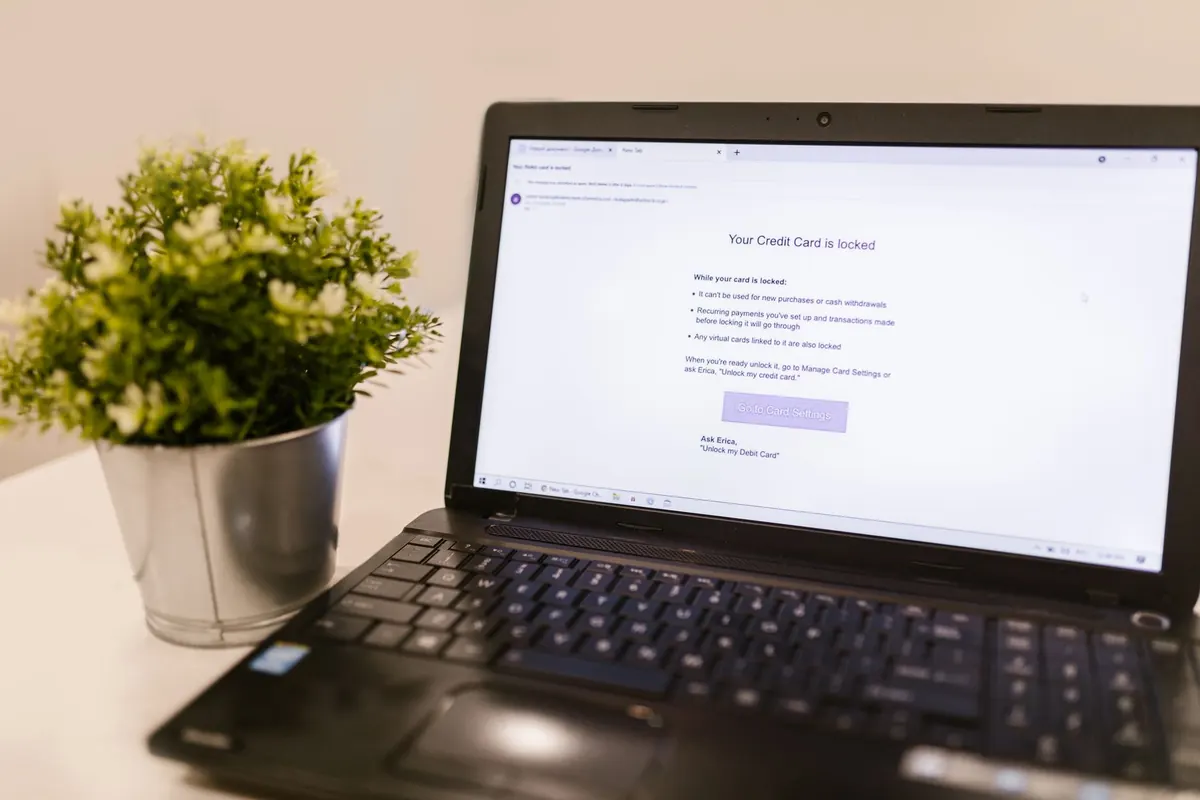
Most Pennine founders spend weeks on the logo and about ten minutes on the business bank account. That order is understandable, and slightly expensive. The account you choose decides how quickly customer money reaches you, how much admin lands on your desk each month, and whether you can pay a supplier from a car park in Hawes on a Friday afternoon. None of it is glamorous. All of it compounds.
These are the mistakes that come up again and again, and how to sidestep them before you sign anything.
1. Taking the "free banking" headline at face value
Free business banking usually means free for a set introductory period, for a defined list of everyday transactions, within a monthly limit. After that, standard tariffs apply. And even during the free window, plenty sits outside the offer.
Ask for the full fee schedule in writing, then read the part nobody advertises. A useful question: "What will I pay in month nineteen?" If the person on the phone cannot answer it clearly, that tells you something.
Items worth pricing before you commit:
- Cash deposits, and whether there is a monthly cap before charges start
- Payments abroad, and the exchange rate margin taken on top of the fee
- Additional cards or users, replacement cards, extra card readers
- Returned or unpaid items, and fees for going overdrawn without permission
- Charges that survive the introductory offer once it ends
2. Assuming branch access no longer matters, or that it always does
Two opposite mistakes, depending on your trade. If you run a café, market stall, farm shop or a trades business taking cash, the nearest place you can deposit it is a real operational question. Branch closures across the Pennines mean your closest counter may now be a long drive, so check what deposit options exist locally. Many banks allow deposits through Post Office counters, but eligibility, limits and processing times vary by bank and by account, so confirm it for the specific account you are opening rather than assuming.
If you take every payment by card or bank transfer, a branch forty miles away is irrelevant. Do not pay a monthly premium for counter access you will never use. What does matter, either way, is being able to reach a human quickly when a payment is blocked on a Friday afternoon. Test the phone line before you need it.
3. Treating accounting integration as an afterthought
If you use Xero, QuickBooks, FreeAgent or similar, the bank feed is where you will spend or save hours every month. A feed that breaks, needs re-authenticating constantly, or only covers your current account while ignoring your savings and card accounts will turn your VAT quarter into a slog.
What to check before you commit
Look up your software's supported bank list while you are still comparing accounts, not after. Confirm the feed covers every account you will open. Check how far back it pulls transactions, and whether your accountant can be given read access without sharing your login. If a feed is unreliable, plan for a manual CSV import as a fallback and budget the time for it.
4. Ignoring how the account actually moves money day to day
The rate on the tin matters far less than the timing of the money. When do card takings land: the next working day, or several days later? Is there a paid option that speeds this up, and does it earn its cost? Do your biggest bills go out on the first of the month while your customers pay on thirty-day terms?
Pennine businesses often ride a seasonal curve. Hospitality, tourism, outdoor retail and farming-related trades can earn heavily from spring into autumn, while rent, insurance and standing charges carry on through a quiet January. Build for that. Move your VAT and tax money into a separate pot the day it arrives, so it never feels like spare cash.
If you might need an overdraft buffer, ask before you need it. Applications made after a difficult month are harder, and unarranged borrowing is considerably more expensive than an agreed facility.
Bank tariffs, tax treatment and business structures vary, and the right answer depends on your circumstances. For anything with money or legal consequences, take advice from a qualified accountant or solicitor rather than relying on a general guide.
5. Blurring business and personal money
Sole traders often run everything through one personal account because it feels simpler. It is not. Bookkeeping gets slower, Self Assessment becomes guesswork, and you lose any clean view of whether the business is actually profitable.
If you trade through a limited company, the account should be in the company name, and paying personal costs from it can create a director's loan with tax consequences. Open a separate account from day one, even if it is a plain second account with the same bank, and use it only for business.
Think about access while you are at it. If you have a co-founder, a bookkeeper or a manager who pays suppliers, decide now who gets a card, who can approve payments, and what limits apply. Sorting that out later is always more awkward.
6. Signing up without checking how you would leave
Notice periods, account closure charges, and what happens if the bank changes its terms mid-contract are worth five minutes of reading. Business accounts do not always come with the same switching guarantees as personal ones, so do not assume a move will be effortless.
Keep a simple list of every Direct Debit, standing order and incoming payment tied to the account. If you do switch later, move the payments first and close the old account last, once nothing has landed in it for a full cycle.
A short checklist before you sign
- Request the complete fee schedule, including post-introductory pricing.
- List your nearest realistic cash and cheque deposit points.
- Confirm the accounting feed works with your software before you open the account.
- Ask when card takings arrive and what it costs to speed them up.
- Decide who else needs access, and with what limits.
- Write down the notice period and the exit process.
- Set up a separate pot for tax and VAT from the first payment.
Choose the boring account that matches how your business genuinely moves money, review it once a year, and get back to the work that pays the bills.
Photo: RDNE Stock project / Pexels
Related posts
More stories you’ll love reading