


Local Companies
How Barnsley's Independent Retailers Are Adapting to Changing High Street Footfall
October 07, 2026

Walk through Barnsley town centre on a Tuesday morning and you will see a different rhythm from a Saturday market day. The Arcade has its regulars, the market has its bustle, and the side streets have quieter stretches. Independent retailers have stopped waiting for footfall to return exactly as it was. Instead, they are building reasons for people to come into town, or taking the shop to the customer. The result is a patchwork of practical adaptations: events, local delivery, click and collect, and social media that actually sounds like Barnsley.
Footfall Hasn't Disappeared—It's Moved
Footfall is not one number. It is a set of habits. Weekday lunchtimes, market days, school pick-ups, pay weekends, event nights and the run-up to Christmas all behave differently. A shop that opens at nine and wonders why the morning is dead may find its real trade happens between eleven and two, then again from four until six.
Start by watching rather than guessing. For one week, note the times people actually come in, what they ask for, and whether they are local or visiting. Compare that with your opening hours. If your busiest hour is eleven, make sure the shop is ready by ten-thirty: lights on, window clean, card machine working, and someone free to talk. If evenings are quiet, test a later opening once a week rather than every day. Small changes are easier to reverse.
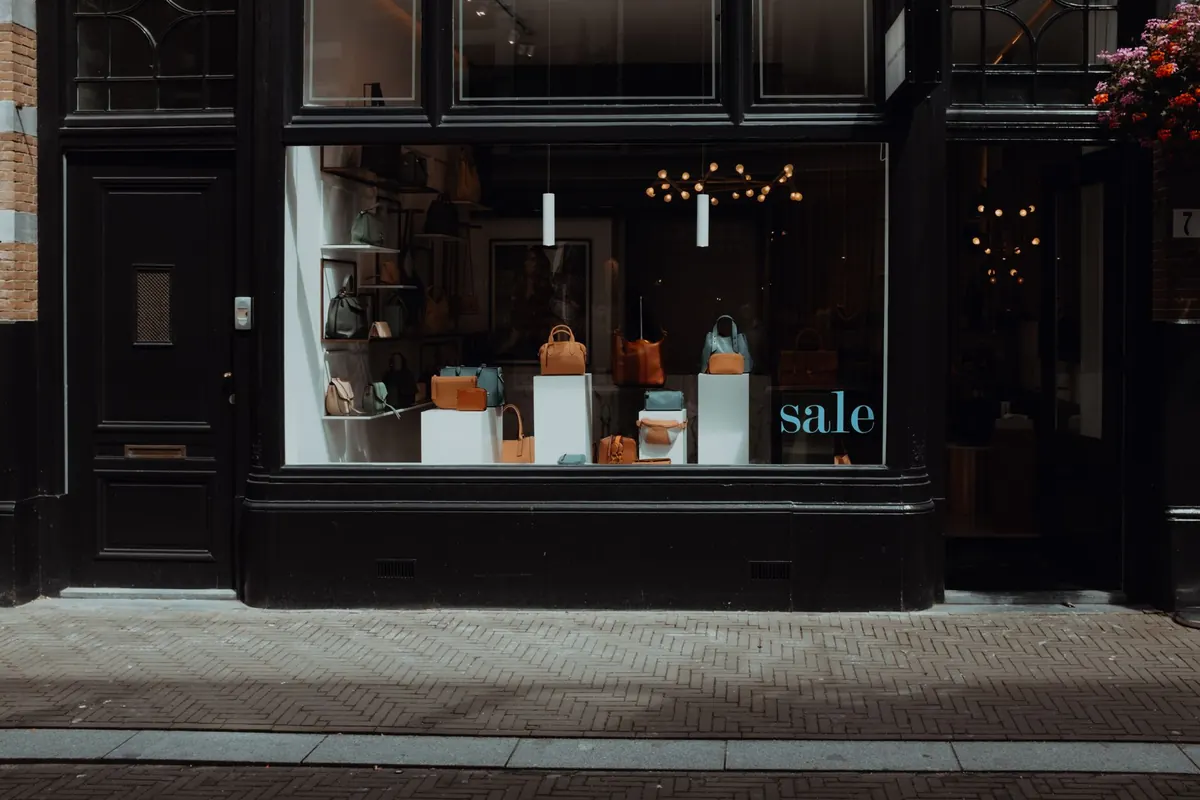
Windows matter more when fewer people pass. A window has about thirty seconds to do its job. Change it often, keep it uncluttered, and put one clear message where a passing driver or bus passenger can read it. If you are on a street like Cheapside or Market Hill, think about what makes someone cross the road. A handwritten board with today's special, a demonstration, or a simple "new stock just in" can be enough.
Events Give People a Reason to Return
Events are the most reliable footfall tool available to a small retailer. Not because every event makes a profit on the night, but because they turn a routine trip into a destination. A yarn shop running a beginner's knitting circle, a deli hosting a producer tasting, or a hardware shop offering a Saturday repair clinic all do the same thing: they give customers a reason to come through the door and stay for a while.
Start smaller than you think
One table, one hour, one topic. That is a event. You do not need a licence for a gathering, a stage, or a grand plan. Put chairs by the window. Offer tea. Ask a loyal customer to show something they know well. The point is to create a reason for people to visit, not to rival a festival.
Make the event sell something
Free events build goodwill, but they should still lead somewhere. A tasting can end with a shelf of the products people just tried. A workshop can include a starter kit. A late-night opening can have a small discount for anyone who brings a friend. Tell people clearly what happens next: "Book by Friday", "First come, first served", "Bring your own project".
Useful event formats for independent shops include:
- Late-night openings tied to market days or town centre events.
- Workshops and demonstrations that use stock you already sell.
- Joint stalls with two or three nearby businesses, splitting the cost and the promotion.
- Seasonal window trails that encourage people to visit several shops in one trip.
- Repair, swap or advice sessions that position you as the local expert.
Plan at least six weeks ahead. Promote in the shop, on social media, and through local Facebook groups. Ask every attendee how they heard about it. That answer tells you where to spend your effort next time.
Delivery and Collection: A Local Advantage
National retailers can deliver next day. You can deliver in an hour, by someone who knows the streets and can leave a parcel with a neighbour. That is a real advantage, especially for older customers, busy parents, and anyone who cannot easily get into town.
You do not need a complicated website to start. A dedicated phone, a WhatsApp Business number, or a simple order form on the counter can work. Write down your cut-off time, your delivery area, and your payment method. Confirm every order by message. Take payment before dispatch unless you know the customer well. For click and collect, reserve the item by phone, hold it for twenty-four hours, and put a name on the bag.
If several shops on the same street use the same runner or courier, the cost can be shared. A group of independents can also agree a simple cross-promotion: order from one shop, collect from another. Keep it simple and reliable. A late delivery damages trust more than no delivery at all.
If you sell food, alcohol, or age-restricted goods, check your licensing and insurance before you start delivering. For any legal or tax question, speak to a qualified adviser.
Social Media That Sounds Like Barnsley
People follow local shops for stock, not slogans. They want to know what has just arrived, what is running low, and who will be behind the counter. A photo of a new delivery, a short video of a window being dressed, or a plain post about weekend opening hours will often outperform a polished advert.
Use the platform where your customers already are. Facebook works well for events, community groups and older shoppers. Instagram suits products, windows and visual businesses. TikTok rewards process and personality. WhatsApp is excellent for direct updates to regulars. You do not need all four. Pick two and post consistently.
A simple weekly rhythm helps:
- Monday: new stock or delivery day.
- Wednesday: behind the counter or a quick how-to.
- Friday: weekend opening hours and one featured product.
Answer every message. A reply within ten minutes can beat a discount. Do not buy followers or chase viral moments. A hundred local people who actually walk in are worth more than thousands of passive views.
Collaboration Is Cheaper Than Competition
Two shops can do what one cannot. A joint late-night opening, a shared leaflet drop, or a cross-promotion costs little and reaches further. A customer buying a gift in one shop can be sent to another for wrapping paper, a card, or a box of chocolates.
Set up a simple group chat with five nearby independents. Agree one shared activity for the next month. Keep it practical: who is promoting, who is opening late, who is providing the table. If you are part of a business group or the town centre improvement district, use it. If not, form your own small alliance. The point is not to compete with the big names. It is to make the independent quarter feel alive.
Watch the Numbers, Not the Noise
Track a few numbers every week. They will tell you more than any trend.
- Number of transactions and average basket value.
- Delivery orders and the cost of each run.
- Event sales, sign-ups and repeat visits.
- Social media messages that turn into sales.
- Which opening hours actually pay for themselves.
Review monthly. If a tactic does not bring sales or useful attention, drop it. If a small event brings repeat customers, do it again. If a delivery run is always empty, change the cut-off time or the area.
A Practical Plan for the Next Quarter
- Pick one event and put a date in the diary. Keep it small enough to run well.
- Set up one simple order channel, whether that is WhatsApp, phone or a counter form.
- Post three times a week on two platforms. Show stock, people and opening hours.
- Partner with two nearby shops on a shared promotion or late-night opening.
- Review your hours, delivery costs and event sales at the end of the month.
None of this requires a big budget. It requires consistency, a willingness to test, and a clear idea of who you are serving. Barnsley's independent retailers have always been good at knowing their customers. The ones adapting now are simply using that knowledge in a few new ways. For tax, licensing or insurance questions, speak to a qualified adviser.
Photo: Burst / Pexels
Related posts
More stories you’ll love reading