




Business News
Preparing Your Pennine Business for Winter Weather: A Continuity Checklist
October 08, 2026
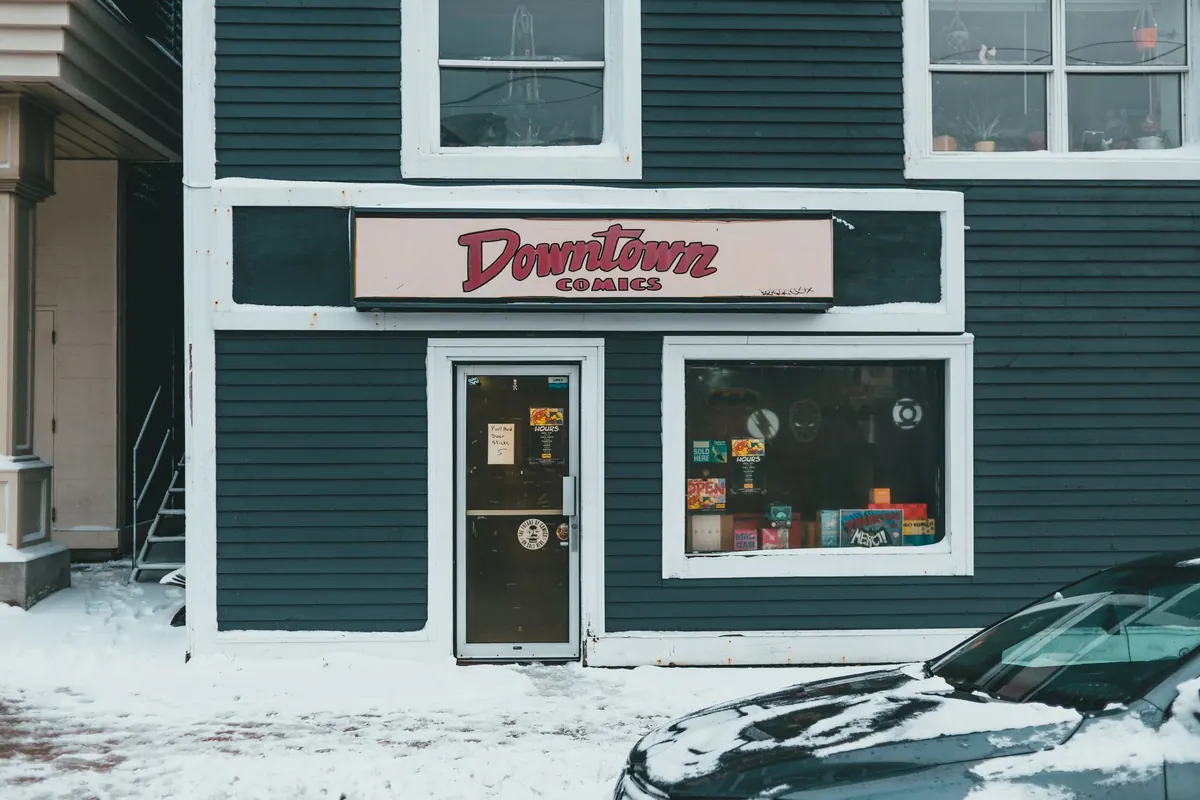
The first sign is usually the gritter, or a forecast that keeps shifting the snow line further down the valley. By then, most Pennine businesses are already reacting rather than preparing. Winter here doesn't arrive politely. A single night of snow can close a lane for days, bring down overhead power lines and leave half your staff unable to reach the unit. None of that is unusual, and none of it has to become a crisis if you have thought it through in October rather than January.
What follows is a working checklist for small and medium businesses across the Pennines — the sort you can run through in a couple of hours and act on over the following weeks.
Map Your Real Risks, Not the Generic Ones
Generic winter advice gets ignored because it doesn't match your site. Spend twenty minutes listing what actually stops you trading.
- Which single road or junction, if blocked, cuts off your premises?
- Do you lose water, power or broadband first?
- Which supplier or courier decides, without asking you, to suspend deliveries?
- What fails when nobody can get in — phones, alarms, freezers, stock, livestock?
- Who lives closest and could reach the building on foot?
Write the answers down. A one-page risk note taped inside the office door beats a forty-page plan nobody has read. Update it when you change premises, shift a key supplier or take on new staff.
Keep the Site Accessible
Access is where most winter disruption starts. Snow on a steep yard is not just inconvenient; it is a liability, and it is the thing customers and staff will judge you on.
Order grit, salt or a grit bin before the first cold snap, not during it. Suppliers sell out quickly once the forecast turns. Identify who clears snow and when — a named person, a contractor or a rota — and put it in writing with times attached. Cleared by 7am on working days, for example, with a second pass in the afternoon if it keeps snowing.
Small jobs worth doing now
- Insulate exposed pipework and lag outside taps. Burst pipes are among the most common winter claims on small commercial premises.
- Clear gutters and drains so meltwater has somewhere to go.
- Check external lighting and handrails. Dark, icy steps cause injuries.
- Trim anything overhanging a walkway or a power line, within the rules that apply to your site.
- Move stock, files and equipment off floors in outbuildings prone to damp or flooding.
If your building is an older mill, warehouse or converted barn, pay particular attention to roofs and loading areas. Heavy snow followed by a thaw finds the weak points.
Plan for Power and Connection Loss
Overhead lines and exposed rural routes mean outages can last hours, occasionally longer. Ask yourself what keeps running, and for how long.
Test your backup. A generator that has sat untouched since last winter may not start when you need it. Store fuel safely and within the rules, and know how many hours it gives you. For anything critical — refrigeration, servers, alarms, milking or manufacturing equipment — check whether the battery or uninterruptible supply actually covers the gap.
Have a low-tech fallback ready. Torches and batteries, a printed contact list, a charged power bank and a way to take card payments offline are worth more than another app. If you rely on cloud systems, work out now what you can still do on paper for a day.
Look After Your People
Staff safety is a legal duty and also plain common sense. Nobody should feel pressured to drive a steep, ungritted lane to prove commitment.
- Agree in advance who can work from home, and what genuinely cannot be done remotely.
- Set a clear travel rule: if conditions are doubtful, staff stay put and tell you.
- Provide warm, waterproof kit — gloves, hi-vis with reflective strips, a torch — for anyone working outside or in an unheated unit.
- Check on anyone working alone in a remote yard, farm or lock-up.
- Keep a warm indoor space and a way to make a hot drink for anyone who gets stranded.
For lone workers, a simple check-in call at set times is worth more than any policy document. Where teams work outdoors in bad weather, follow your health and safety obligations and take proper advice on cold-weather exposure for demanding roles.
Check Insurance and Contracts Now, Not Afterwards
Read the policy before you need it. Check what your cover says about storm, flood, snow load, burst pipes and business interruption. Look at the excesses, the notice periods and the conditions you are expected to meet — many policies require you to take reasonable steps to prevent damage and to keep the premises heated.
Then look at your contracts. Do your delivery terms say who carries the risk when weather halts a shipment? Can you meet a customer's deadline if the main route closes for three days? Note which clients need early warning so they can adjust their own plans.
Insurance and contract wording is worth a conversation with a qualified broker or solicitor rather than a guess. Two quotes that look identical can behave very differently when a claim lands.
Communicate Before the Weather Does
Silence costs goodwill. Prepare messages for staff, customers and suppliers now, so you are not drafting them at six in the morning with half the valley shut.
Use more than one channel. Email, a text group, a social post and a phone tree each fail in different ways. Tell customers early if you are closing, opening late or running a reduced service, and say when you will update them again. Shops, cafés and trade counters should put opening hours on the door as well as online.
Internally, nominate a decision-maker and a backup. Someone has to make the call by a set time — say 6am — and everyone needs to know who that is and how they will hear the outcome.
The Week Before the First Frost
Run through it once, properly. Grit ordered. Pipes lagged. Generator started and fuel checked. Contact lists updated. Policy read. Rota agreed. The one-page plan on the wall where people will actually see it. Then do the small human things: check on the neighbour whose yard you share, and thank whoever ends up clearing the path at seven in the morning.
Winter will still surprise you. It usually does. But with the basics in place, a heavy snowfall becomes a difficult week rather than a lost one.
Photo: Erik Mclean / Pexels
Related posts
More stories you’ll love reading